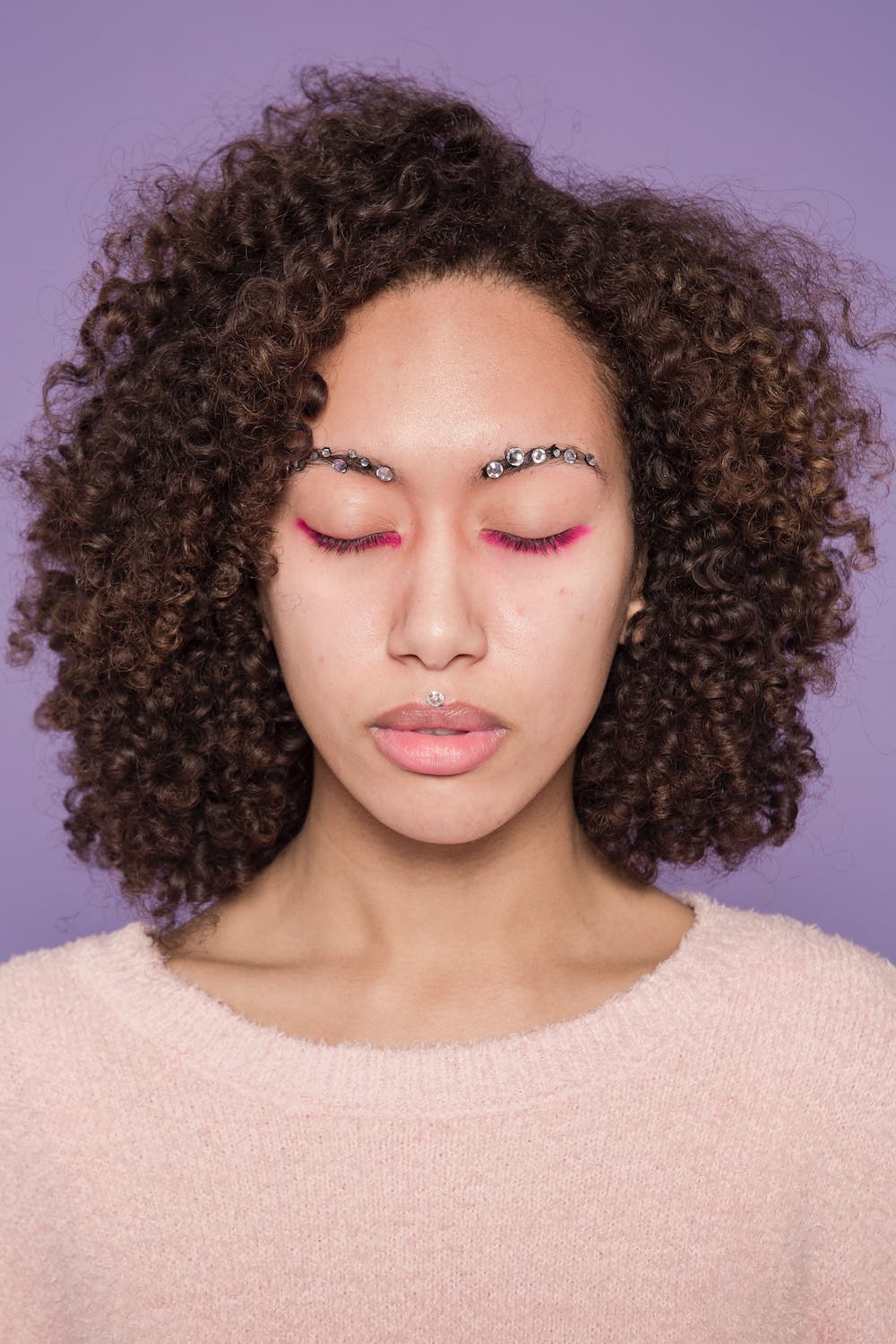
We can all tell moisturized natural hair from a glance. It looks shiny, soft, and clean, holding its curls all day long. Afro textured hair typically needs extra help with moisture because it’s more prone to dryness and the natural curls can keep oils from absorbing evenly. We’re taking a deep dive into moisturizing natural hair, from why and how to do it to understanding hair porosity and moisturizing ingredients.
Why Moisturize Afro Textured Hair?
Natural hair needs moisture because moisture makes your hair more elastic, so it can bend and stretch without breaking when you style it. It makes your hair look healthier and fuller. Moisture also prevents itchiness and dandruff.
Signs That You Need to Moisturize Your Natural Hair
Your hair will tell you it needs moisturizing, so look out for these signs:
- Dry or rough to the touch
- Split ends
- Breakage or brittleness
- Flaky scalp
- Dull-looking hair
- Tangling and knotting
How to Moisturize Afro Textured Hair in 3 Steps
Step 1: Wash Your Hair
Use a gentle shampoo to remove built-up oils, dirt, or hair products. Clean hair yields the best moisturizing result because your strands will readily absorb and retain moisture.
Step 2: Use A Leave-In Conditioner
Be generous with your leave-in conditioner, applying it evenly from root to tip while your hair is still damp. Let the conditioner sit in your hair for up to 30 minutes to hydrate the strands.
Step 3: Apply Moisturizer
A natural hair oil or butter moisturizer acts as a seal and prevents moisture from evaporating. Apply your chosen moisturizer evenly in one of the following ways: liquid, oil, cream (LOC), or liquid, cream, oil (LCO). The liquid refers to your leave-in conditioner, so you can follow that with an oil and then a cream to moisturize, or a cream and then an oil.
The difference? A cream is ideal for styling, while an oil locks in the moisture. The method you use depends on your natural hair porosity, which we’ll discuss next.
What Is Hair Porosity and How Does It Affect Moisturizing Natural Hair?
Hair porosity is an indicator of how your natural hair absorbs and retains moisture. There are three main types of hair porosity: high, low, and normal. High porosity means your hair absorbs moisture quickly but also dries out quickly. Low porosity means your hair absorbs moisture slowly but holds it well. Normal porosity means your hair absorbs and retains moisture quite easily.
The easiest way to figure out your hair porosity is by using the water test. Wash your hair first, then fill a glass with water. Pick any strand from your crown and drip it into the glass. If it floats, it has low porosity; the strand doesn’t absorb water readily into its pores. If it sinks, it has high porosity; the strand absorbs the water fully and quickly. If it hangs in the middle, it has normal or medium porosity.
There are other ways to determine natural hair porosity, including:
- By feel: A strand that feels bumpy or rough is likely to have high porosity, but strands that feel smooth may have low porosity.
- By spraying water: If the droplets stay on the surface of your hair, you likely have low porosity. If they’re absorbed quickly, you have high porosity.
- By product application: Take your natural hair moisturizer and apply it to some hair strands. If it is absorbed quickly, you likely have high-porosity hair. If the product just sits on the hair surface, that shows low porosity.
That said, low-porosity hair is best moisturized with the LCO method because you want maximum absorption and retention. Since low-porosity hair dries out faster, you need to give the cream more time to sit in your strands and lock it in with oil.
High-porosity hair responds best to the LOC moisturizing method. It soaks up moisture quickly, so start with the oil first and use the cream for finishing and styling. If you have normal or medium-porosity hair, either moisturizing method will work well.
How Often Should You Moisturize Afro Textured Hair?
Regardless of your natural hair type, aim to moisturize your afro textured hair at least once a week. However, how frequently you moisturize your natural hair depends on:
- Hair thickness: Finer hair needs more moisturization because it’s more prone to dryness. Thicker hair needs less moisture, so do your routine every 10 days or so or when the need arises.
- Porosity: High-porosity hair dries out quickly, so moisturize every three days or so using a thicker product. Low-porosity hair can go longer between moisturizing as it retains hydration well, so go for lighter or water-based products.
- Environment: If you live and work in a dry environment or are facing a heat wave over the summer, you may need a thicker moisturizer or more frequent sessions. If you’re in a more humid or cooler environment, use a lighter moisturizer.
Common Mistakes to Avoid When Moisturizing Afro Textured Hair
1. Using Too Little Moisturizing Products
Be generous when you apply your natural hair moisturizer, especially if you’re looking to repair hair damage or boost growth. You want to coat each strand thoroughly and evenly.
2. Choosing Inappropriate Products
There are lots of hair moisturizers available today, but choose products made for African American hair. If not, remember the guidelines above about your hair’s porosity, thickness, and environment.
3. Skipping the Sealing Process
Don’t assume that applying your moisturizer or conditioner alone is enough, because that’s only the first step. Choose an oil or butter (or both) to lock in what your leave-in conditioner has done. Otherwise, you may end up with dry, brittle hair.
4. Infrequent Moisturizing
Get into the habit of moisturizing your natural hair at least once a week. Don’t take too long between sessions because your strands will dry out too much and need more product and repair.
5. Relying on Protein Treatments Alone
You can definitely nourish your natural hair with treatments like eggs, avocado, or other organic ingredients and products. However, use protein treatments in moderation to avoid overloading your hair with nutrients. Find a balance between moisturizing and protein boosts.
Pro Tip: Always Check Your Moisturizer’s Ingredients
As with any hair product, natural ingredients are always better. Choose a moisturizer with shea, jojoba, coconut, or a blend of your favorite natural oils and extracts. These ingredients are more suited to afro textured hair, which needs more hydration and manipulation to cover and seal the coily curls completely. Avoid the following ingredients as much as possible:
- Sulfates
- Silicones
- Drying alcohols (e.g., isopropyl alcohol)
- Petrolatum
- Mineral oils (e.g., paraffin)
- Synthetic fragrances
While these ingredients are super common in hair products, they ultimately do more harm than good for afro textured hair. They may be harder to wash out and strip your natural hair oil in the process. Natural oils are much gentler on your strands and less likely to irritate your scalp.
Bonus: Homemade Moisturizer Recipe for Afro Textured Hair
If you prefer to customize your natural hair moisturizer, try this simple recipe:
What you need:
- ½ cup shea butter
- ¼ cup coconut oil
- ¼ cup olive oil
- 1 teaspoon vitamin E oil
- Essential oil of choice
- Glass or plastic airtight jar
- Double boiler or microwave
- Fridge
Method:
- Melt together the shea butter and coconut oil in short bursts in the microwave or in a double boiler over low heat. Stir occasionally.
- Remove from the heat source and mix in the olive oil and vitamin E oil.
- Add a few drops of your preferred essential oil for fragrance and extra nutrients.
- Cool the mixture to room temperature, pour it into a jar, and refrigerate it for a few hours to solidify.
- To apply, remove the mixture from the fridge to soften until spreadable.
- Use small amounts at a time until each hair segment is covered.
The great thing about this natural hair moisturizer recipe is that you can substitute the oils with any of your favorites. Instead of shea butter, try cocoa or avocado butter, and instead of coconut oil, try jojoba. Keep the ratios the same and experiment with these ingredients to find the right fit for your natural hair.
 Afro Style Hub
Leave a comment