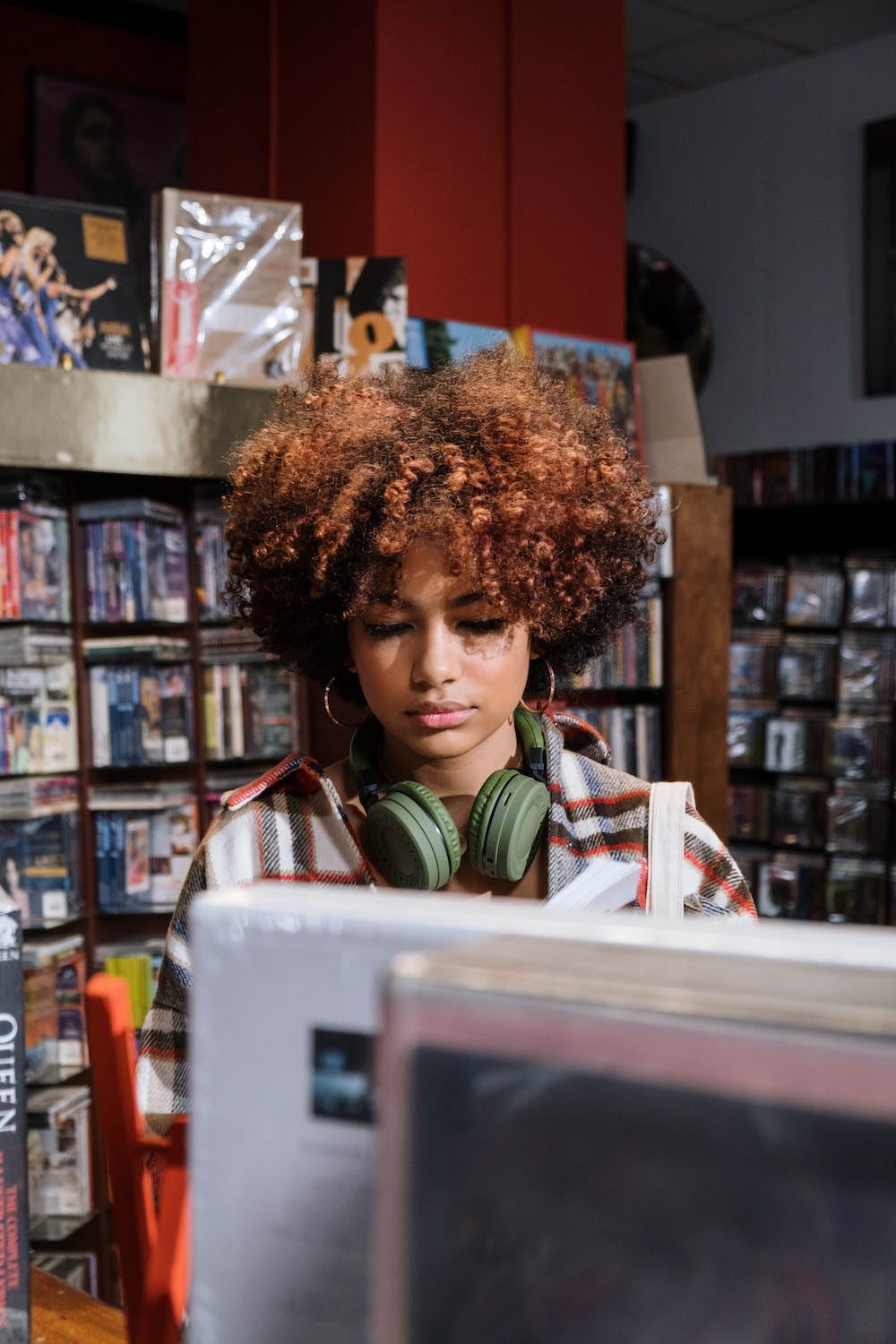

I’m all about the all-natural look and wearing the hair you’re born with. That doesn’t mean you can’t add a splash of color to your crown with hair dye. Afro textured hair does require a little extra caution when dyeing at home, so read on to learn the best way to do it.
In this guide:
- How does hair dye work?
- How to choose the right hair dye color for afro textured hair
- How to apply hair dye to afro textured hair
- Hair dye ingredients to avoid for natural hair
- What about natural hair dyes?
- How to maintain hair dye color in afro textured hair
- Take extra care for your dyed afro textured hair
How Does Hair Dye Work?
Basically, dyeing your hair means applying color molecules to your hair strands. The process usually takes four steps:
- Color penetration: This is where the hair cuticles open up to absorb the dye into the hair shaft.
- Development: This is where the dye reacts with your natural hair pigment to make a new color; the longer the development time, the more intense the color.
- Fixing: This is where an acidic agent, e.g., vinegar or citric acid, helps the color to adhere to your hair strands so it won’t wash out.
- Rinsing: This is where you remove any excess dye thoroughly using color-safe shampoo and conditioner.
That said, there are two main types of hair dye: permanent and semi-permanent.
Permanent hair dye typically contains ammonia and hydrogen peroxide to deposit color molecules deep into the strands, making your new hair color resistant to washing out.
Semi-permanent hair dye does not contain ammonia or other chemicals, so the new color only adheres to the outer layer of your hair strands. This means it will fade over time, making it great for highlights and experimentation.
How to Choose the Right Hair Dye Color for Afro Textured Hair
Getting the color right is probably the most daunting part of choosing a hair dye. Unless you’re going for super bold colors like bright blue, canary yellow, or neon green (go gurl!), or jet black to cover graying strands (more power to you), it’s tricky to choose the perfect shade of brown, red, or gold. How do you choose the right look for your personal style?
1. Consider your skin tone
Here’s a neat hack to try: look at the veins on your wrist. Do they look blue or green? If they look blue, you have a cool skin tone, so you’d look great in an ash blonde or burgundy hair color. If they look green, you have a warm skin tone, so you’d look great in a golden blonde or red hair color.
2. Know your natural hair color
African American hair comes in all shades, from light brown to coal black. The general rule is that lighter natural hair is easier to experiment with in terms of hair dyes, while darker natural hair works best within a few shades. Anything more drastic may require bleaching, which may weaken your hair. If you have darker hair and want a little more drama to your look, try highlights instead of dyeing your hair from the roots.
3. Think about your work and lifestyle
You may want a bold, vibrant hair color, but you work in a more conservative field. If that’s the case, choose a hair dye with more natural-looking shades. If you work in a more creative field or want to push the limits in your workplace, feel free to choose the hair color that makes you feel more confident and happy.
4. Maintenance is a factor, too
Lighter shades need more frequent touch-ups to maintain their vibrance; darker shades are usually more forgiving because they’re similar to your natural hair color. Similarly, semi-permanent hair dyes will require retouching every few weeks compared to permanent dyes that last much longer. Remember, [deep conditioning] is an essential step in maintaining dyed natural hair, so add it to your hair routine.
5. Try a beauty app
To visualize how your new hair color will look, find a beauty app that switches up your hairstyles and colors, plus different accessories to match. Some apps offer a free trial, while others require a subscription, so consider getting a premium beauty app if you want to change your hair color frequently.
6. Ask a pro
Find a professional hair stylist who knows how to color afro textured hair and ask for their advice. They will likely recommend hair dyes designed for afro textured hair that have gentle, moisturizing ingredients. This is the best option if you’re not sure which hair color to choose or if you struggle with damaged hair.
How to Apply Hair Dye to Afro Textured Hair
So, you’ve found a great color for your natural hair and you’re ready to go. Here are some steps to follow:
1. The patch test
You want to make sure that your dye agrees with your hair and scalp before you apply it. Use a little bit of the dye behind your ear, leave it for the recommended time, and watch out for any reactions like itching or redness. If that happens, you may be allergic to something in the dye, so find a different brand. If there’s no reaction, proceed to the next step.
2. Wash and deep condition your hair
Always apply hair dye to clean, hydrated natural hair. That’s how you’ll get an even color that lasts the longest. Choose a lighter conditioner, though, since you don’t want to coat your hair strands and prevent the dye from holding.
3. Divide your hair into sections
Make four to six sections for longer natural hair and more for shorter hair. Clip each section to make it easier to apply the dye evenly.
4. Wear gloves and apply the hair dye
Start at the roots and work to the ends, applying the dye using a brush or applicator. Massage the dye into your hair to coat every strand, and tie or clip each section once you’re done.
5. Leave the dye to process
Different dyes have different processing times, ranging from 20 to 45 minutes. That’s how long the dye takes to penetrate the strands. Wear a plastic cap and set a timer for your dye’s recommended time.
6. Rinse your hair with cool water
Avoid hot water at this stage, as it may weaken the dye and your hair, too. Wash your hair with cool water until it runs clear, then apply a color-safe hair conditioner to set the color and moisturize your hair.
7. Style your freshly dyed hair
Comb out your vibrant afro, make finger coils, wear an updo, straighten it, curl it, whatever you desire. If you do choose a heat styling method, apply a good heat protectant first to minimize moisture loss.
Hair Dye Ingredients to Avoid for Natural Hair
You’ve probably heard a hair dye horror story or two, from allergic reactions to hair loss. But you can get the color you want without damaging your natural hair if you avoid dyes with the following ingredients:
- Ammonia: This is a common ingredient in permanent hair dyes because it opens up the hair cuticles to allow the color to set. Unfortunately, it can also irritate your scalp and lead to dryness and brittle hair.
- Parabens: These are synthetic preservatives that improve the shelf life of hair dyes and other oil- and water-based cosmetics. There are some health and environmental concerns about these compounds, so it’s best to choose paraben-free products.
- PPD (paraphenylenediamine): This is a coloring ingredient in permanent, dark-colored hair dyes. It can cause irritation and allergic reactions.
- Resorcinol: This is a coupler ingredient in permanent hair dyes, meaning it reacts with other compounds in the dye to bind to your strands. While it makes the dye hold well, it can dry out and irritate your scalp.
- Bleach: This is a harsh chemical that essentially dissolves the melanin in your natural hair to lighten its color. It’s best left to professional stylists who understand how to use the product. Otherwise, it can make your hair brittle and irritate your scalp.
- Metallic salts: These are compounds that create unique metallic dye colors, e.g., silver white or neon pink. They can have the opposite effect on natural hair, making it duller and weaker over time.
What About Natural Hair Dyes?
If you’ve had an unpleasant experience with dyeing natural hair or want to avoid the ingredients above, consider natural hair dyes to get the same look with none of the side effects. These include:
- Henna: It works on all hair types to create beautiful shades from red to black.
- Indigo: It is usually mixed with henna to deepen dye shades, e.g., dark brown to blue to black.
- Black tea or coffee: Use it to darken your hair naturally; brew a pot, let it cool, apply and set for an hour, and rinse. Repeat the process to get the shade you want.
- Beet juice: Use it to achieve a pink or reddish tint to your natural hair. Apply it for about an hour, rinse, and repeat until you get the desired shade.
- Lemon juice: This is a natural alternative to bleach for lightening your hair. Apply equal parts lemon juice and water, then sit in the sun to develop. Rinse and repeat to achieve the effect you desire.
Note: These natural hair dye options can’t compare with synthetic or chemical hair dyes in terms of application, color options, and longevity. But they’re least likely to cause any hair or scalp damage or allergic reactions. You can touch up as frequently as you wish without risking your natural hair.
You can also buy all-natural hair dyes that use plant-based ingredients blended in various combinations and shades. Since the U.S. doesn’t require hair dyes to be FDA-approved, check that your natural hair dyes are certified by Leaping Bunny and NATRUE. These organizations ensure your products are cruelty-free, organic, hypoallergenic, and sustainable.
How to Maintain Hair Dye Color in Afro Textured Hair
If the toughest part of dyeing African American hair is finding the right color, the second biggest challenge is how to keep it vibrant for as long as possible. Some natural hair dyes even encourage hair growth, meaning you’ll need more touch-ups for your roots. So, how do you extend your hair color’s life?
1. Choose your shampoos and conditioners wisely
Gentle shampoos and conditioners will cleanse and hydrate your hair without removing too much dye. Check labels for “color protecting” or “color safe” and avoid harsh ingredients like sulfates, silicones, and alcohols.
2. Adjust your hair routine
You want to wash your natural hair less frequently when you’ve dyed it, so try having your wash day once a week or using a dry shampoo between washes.
3. Always use cool water for washing your hair
Your first hair dye application requires cool water, but you should continue washing your hair with cool water after the application. Hot water opens up your hair cuticles to release the color quicker, so avoid it as much as possible.
4. Get some sun protection for your hair
UV rays can cause faster fading, so wear a hat, scarf, or SPF hair serum whenever you’re outside. Keep your hair moisturized as well to prevent it from drying out too much in the sun.
5. Touch up regularly
Keep your choice of hair dye on hand to apply to new hair growth as needed. Try to reapply your hair dye every six to eight weeks, regardless of how fast or slowly your natural hair grows.
Take Extra Care for Your Dyed Afro Textured Hair
Dyed natural hair needs care and attention to keep it looking vibrant and healthy. You can certainly wear any color you want without hurting your natural hair. I hope this guide helps you make the right choice for your personal style!
 Afro Style Hub
Leave a comment